

Quick answer: The ICD-10 code for onychomycosis (fungal nail infection) is B35.1, tinea unguium. Payers often require documented symptoms or risk factors for nail debridement to be covered. Our podiatry and dermatology medical billing services make sure the claims are supported.
Need help billing podiatry claims? Our podiatry billing services team handles coding, claim submission and denial follow-up. Request a free coding and billing audit for your practice.
Why Is Accurate Onychomycosis Coding Important?
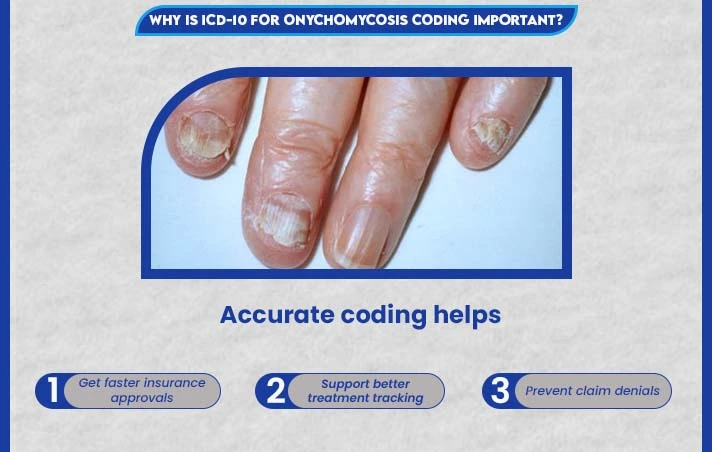
Accurate coding helps:
- Get faster insurance approvals
- Prevent claim denials
- Support better treatment tracking
Common ICD-10 Codes Related to Onychomycosis
| Condition | ICD-10-CM code | Code description |
| Onychomycosis (fungal nail infection), fingernail or toenail | B35.1 | Tinea unguium |
B35.1 is the only code for onychomycosis. It covers both fingernails and toenails, and there is no separate code for side or digit. If the nail infection is caused by Candida rather than a dermatophyte, the code is B37.2 (candidiasis of skin and nail) instead.
Billing note for podiatry: treatment of mycotic nails is usually billed as nail debridement (CPT 11720 for one to five nails, 11721 for six or more). Medicare treats this as routine foot care unless the record shows a covered reason, such as pain, marked limitation of walking, or secondary infection, or qualifying systemic disease with class findings reported with modifiers Q7, Q8 or Q9. Check the local coverage determination for your Medicare contractor before billing.
What Causes Onychomycosis?
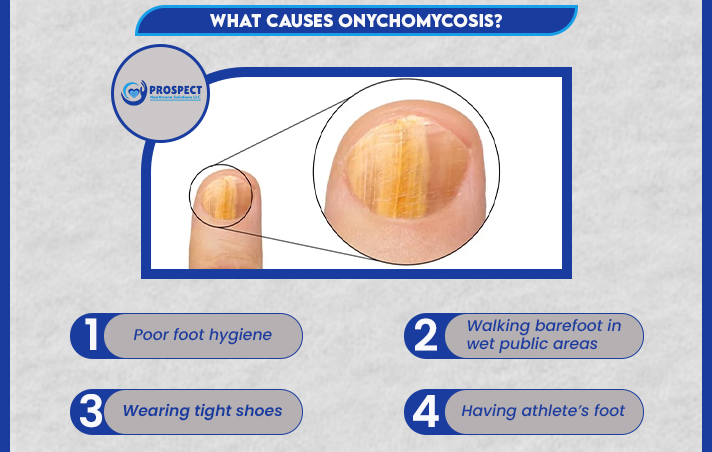
- Poor foot hygiene
- Walking barefoot in wet public areas
- Wearing tight shoes
- Having athlete’s foot
Symptoms of Nail Fungus
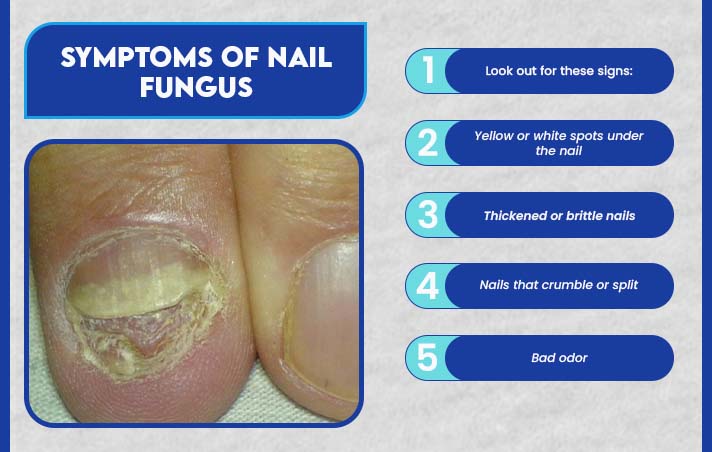
Look out for these signs:
- Yellow or white spots under the nail
- Thickened or brittle nails
- Nails that crumble or split
- Bad odor
How Is Onychomycosis Diagnosed?
Doctors usually examine the nails and may take a small sample. This sample is tested in a lab to confirm fungal infection. Once diagnosed, they use ICD-10 for onychomycosis for medical documentation.Treatment Options for Onychomycosis
Treatment depends on the severity. Options include:| Treatment | Description |
| Topical Creams | Applied directly to the nail |
| Oral Antifungals | Pills to kill the fungus from inside |
| Laser Therapy | Light-based treatment to target fungus |
| Nail Removal | In severe cases |
Request your free medical billing audit
See where your practice is losing revenue. Our experts review your claims, denials and A/R at no cost.
Related Skin Conditions and Their Codes
Fungal infections of other body sites have their own codes:
| Condition | ICD-10-CM code | Code description |
| Athlete’s foot | B35.3 | Tinea pedis |
| Jock itch | B35.6 | Tinea cruris |
| Ringworm of the body | B35.4 | Tinea corporis |
| Candida infection of skin or nail | B37.2 | Candidiasis of skin and nail |
| Nail dystrophy without confirmed fungus | L60.3 | Nail dystrophy |
How to Avoid Nail Fungus
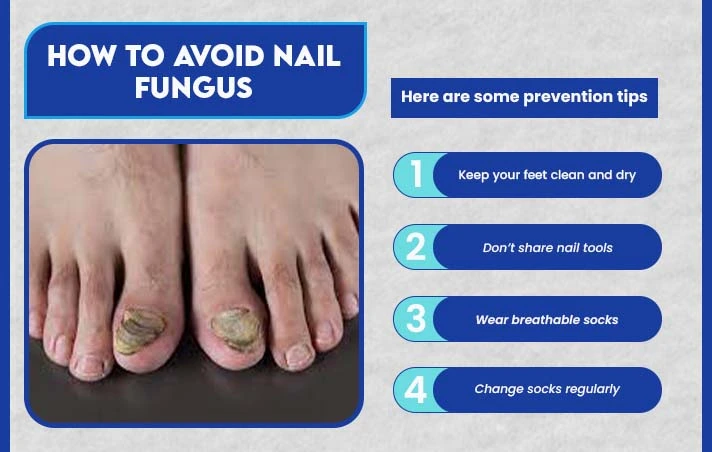
Here are some prevention tips:
- Keep your feet clean and dry
- Don’t share nail tools
- Wear breathable socks
- Change socks regularly
Who is at Risk of Onychomycosis?
People with diabetes or weak immune systems are more prone. Risk increases with age. Athletes who use public showers or pools often are at higher risk too.
Coding Errors to Avoid
- Don’t use outdated codes
- Don’t mix up the jock itch code (B35.6) with nail fungus codes
- Make sure the fungus is confirmed before coding
Paronychia ICD 10 Code and Finger Infection ICD 10
Paronychia is a skin infection around the nail, not a fungal nail infection like onychomycosis, so it uses a different code. It is reported under cellulitis: L03.01- for a finger and L03.03- for a toe.
- L03.011: cellulitis of right finger
- L03.012: cellulitis of left finger
- L03.031: cellulitis of right toe
- L03.032: cellulitis of left toe
Choose the code from the documented site and side. If the provider confirms a fungal nail infection, use B35.1 instead.

